
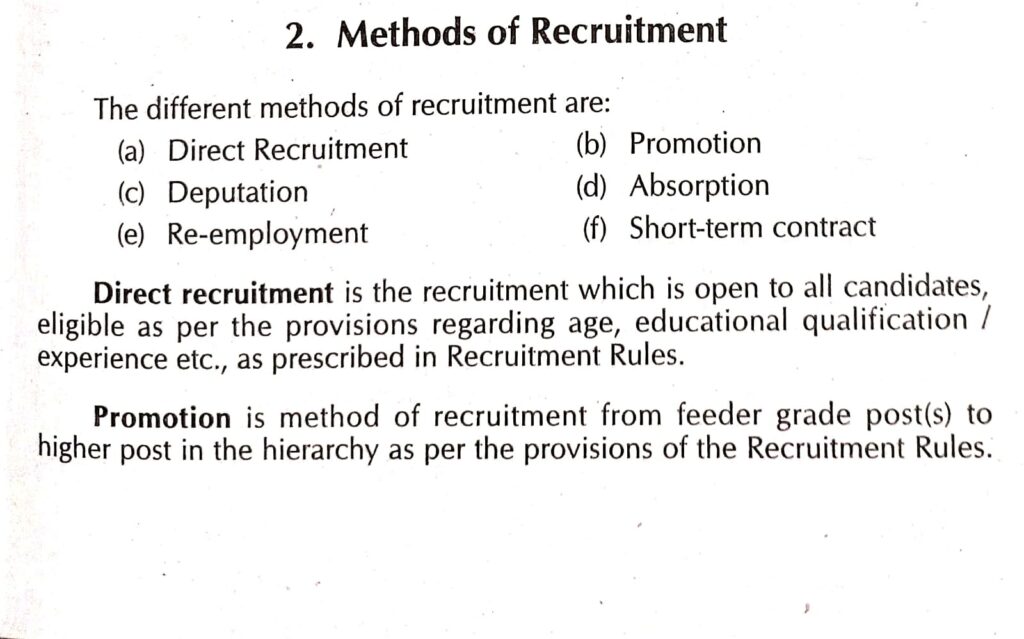
METHODS OF RECRUITMENT as per Swamy’s Handbook 2026
Introduction to Recruitment in Government Service
Recruitment is the backbone of any organization, especially in government service where efficiency, transparency, and fairness are essential. In simple terms, recruitment refers to the process of identifying, selecting, and appointing suitable candidates for various posts. Without proper recruitment, even the best policies fail in implementation.
Recruitment rules define how positions are filled, who is eligible, and what procedure must be followed. These rules ensure consistency and prevent arbitrary appointments.
Overview of Swamy’s Handbook 2026
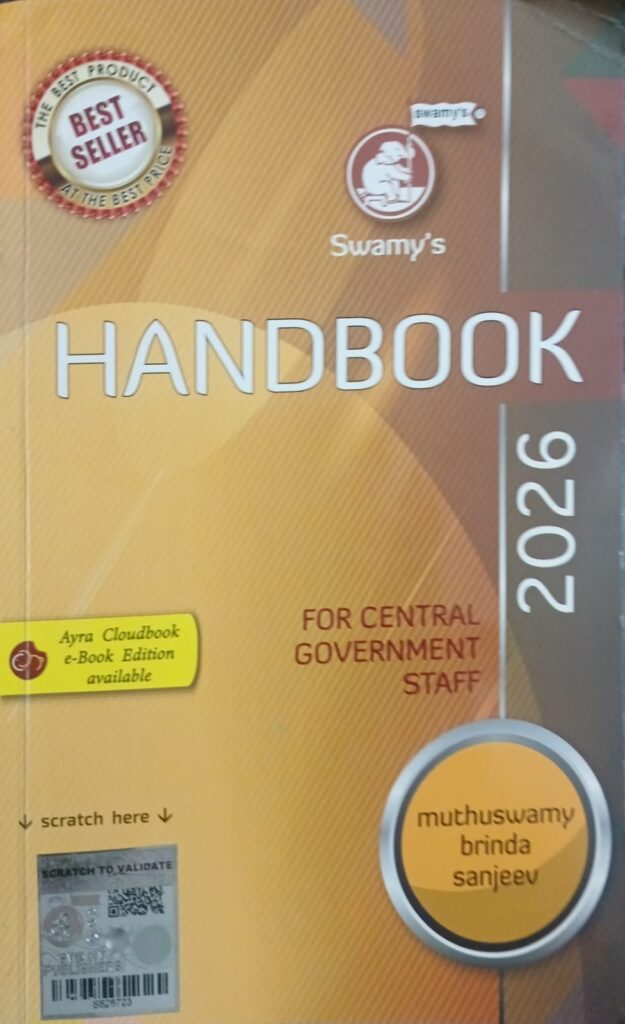
Swamy’s Handbook is widely considered a practical reference for government employees dealing with service rules, establishment matters, and recruitment procedures. It simplifies complex government instructions into understandable guidance.
Recruitment guidelines in the handbook help departments maintain uniform practices. They also help candidates understand how appointments are made across different posts.
Types of Recruitment Methods
Swamy’s Handbook highlights several methods used in government recruitment. Each method serves a different purpose depending on the nature of the post.
The major methods include direct recruitment, promotion, deputation, absorption, re-employment, contractual appointment, and lateral entry.
Direct Recruitment Explained
Direct recruitment is the most common method. Here, candidates from outside the organization are selected through open competition.
This may involve competitive examinations, skill tests, or interviews. Many posts are filled through national or departmental exams to ensure fairness.
Reservation policies play an important role in direct recruitment. They ensure representation of different categories as per constitutional provisions.
Recruitment through Promotion
Promotion is another major recruitment method. Instead of hiring outsiders, existing employees move to higher positions.
Promotion can be based on seniority, merit, or a combination of both. Departmental Promotion Committees evaluate eligible officers and recommend promotions.
This method motivates employees and ensures career progression.
Deputation Method of Recruitment
Deputation involves appointing an employee from another department or organization for a temporary period. It is useful when specialized experience is required quickly.
Sometimes deputation leads to absorption, where the employee becomes permanent in the borrowing organization.
Deputation helps knowledge sharing and administrative flexibility.
Absorption as a Recruitment Method
Absorption occurs when a deputed employee is permanently appointed to a post. This method is used when the organization finds the officer suitable and the rules allow it.
Eligibility conditions, service records, and approval procedures determine absorption decisions.
It provides continuity and reduces fresh recruitment time.
Re-employment in Government Service
Re-employment is used when retired employees with valuable expertise are required again. This usually happens for advisory roles, shortage of skilled staff, or special projects.
However, re-employment is governed by strict policy guidelines, including age limits and tenure.
It ensures that experience is not lost.
Contractual Recruitment
Contractual recruitment is increasingly common. Organizations hire specialists for a fixed period without permanent appointment.
This method is useful for technical roles, IT projects, research assignments, and mission-mode programmes.
It provides flexibility and faster hiring.
Lateral Entry Recruitment
Lateral entry allows professionals from outside government to enter mid-level or senior positions. This method brings fresh ideas and specialized expertise.
Swamy’s Handbook notes that lateral recruitment is gaining importance in policy-driven sectors where domain knowledge is critical.
It reflects modernization in public administration.
Role of Recruitment Rules (RRs)
Recruitment Rules define the method of recruitment, eligibility criteria, experience requirements, and promotion channels.
They act like a blueprint for filling posts. Any recruitment must strictly follow these rules.
Amendments are made periodically to reflect changing needs.
Reservation and Inclusivity in Recruitment
Government recruitment ensures social justice through reservation policies. Different categories receive representation according to constitutional provisions.
This promotes inclusivity, diversity, and equal opportunity.
Recruitment methods are designed to maintain this balance.
Transparency and Fairness in Recruitment
Transparency is a core principle of recruitment. Digital applications, online exams, and published merit lists have improved trust in the system.
Vigilance mechanisms prevent irregularities and ensure accountability.
Fair recruitment strengthens public confidence.
Challenges in Recruitment
Despite clear rules, recruitment faces challenges such as delays, litigation, and skill shortages. Sometimes posts remain vacant due to procedural complexity.
Another issue is the gap between required skills and available candidates.
Addressing these challenges is essential for effective governance.
Future Trends in Recruitment
Recruitment is evolving with technology. Online testing, AI-based screening, and competency-based hiring are becoming common.
Government organizations are moving toward faster, data-driven recruitment models.
Future recruitment will focus more on skills than just qualifications.
Practical Tips for Candidates
Candidates should carefully read recruitment notifications and understand eligibility conditions before applying.
Preparation should focus on syllabus clarity, previous papers, and awareness of recruitment procedures.
Understanding recruitment methods helps candidates plan career progression.
Conclusion
Methods of recruitment described in Swamy’s Handbook 2026 provide a structured framework for filling government posts efficiently and fairly. From direct recruitment to promotion, deputation, and lateral entry, each method serves a specific administrative purpose.
A well-designed recruitment system ensures transparency, supports career growth, and strengthens governance. As public administration evolves, recruitment methods will continue adapting to technological advances and skill requirements. Understanding these methods is essential not only for administrators but also for aspirants planning a government career.
FAQs
1. What is the most common recruitment method in government service?
Direct recruitment is the most common method, usually conducted through competitive examinations.
2. What is the difference between deputation and absorption?
Deputation is temporary transfer, while absorption is permanent appointment after deputation.
3. Can retired employees be recruited again?
Yes, re-employment allows retired employees to be hired under specific conditions.
4. What are Recruitment Rules (RRs)?
Recruitment Rules define eligibility, method of recruitment, and promotion channels for a post.
5. Why is lateral entry important today?
Lateral entry brings specialized skills and professional expertise into government administration.
Disclaimer:
The information provided in this article on “Methods of Recruitment as per Swamy’s Handbook 2026” is intended for general informational and educational purposes only. While every effort has been made to ensure accuracy and relevance, the content should not be considered as an official interpretation of government rules, regulations, or recruitment policies.
Readers are advised to refer to the latest official notifications, recruitment rules, government orders, and departmental guidelines for authentic and updated information. Policies, procedures, and eligibility criteria may change from time to time based on government decisions.
The author and publisher shall not be held responsible for any errors, omissions, or consequences arising from the use of this information. This article does not replace official documents, circulars, or professional advice related to service matters.
For precise clarification, readers should consult the concerned department, official rule books, or authorized sources before making any decision related to recruitment or service matters.
Acknowledgement:
The preparation of this article on “Methods of Recruitment as per Swamy’s Handbook 2026” has been possible with the valuable guidance and reference drawn from established service rule resources, administrative practices, and standard government recruitment frameworks.
Gratitude is extended to all authors, policymakers, and administrative experts whose structured documentation and continuous efforts help simplify complex service matters for employees, aspirants, and readers. Their work plays an important role in improving understanding of recruitment procedures in government service.
Special appreciation is also expressed to educators, colleagues, and readers whose interest in service rules and establishment matters encourages the creation of clear, informative, and accessible content. Their feedback and engagement contribute significantly to improving the quality and usefulness of such articles.
This acknowledgement reflects sincere appreciation for all indirect contributions that support knowledge sharing and awareness regarding recruitment policies and procedures.
For more information and updates please follow the page and don’t forget to leave your comment.