
Table of Contents
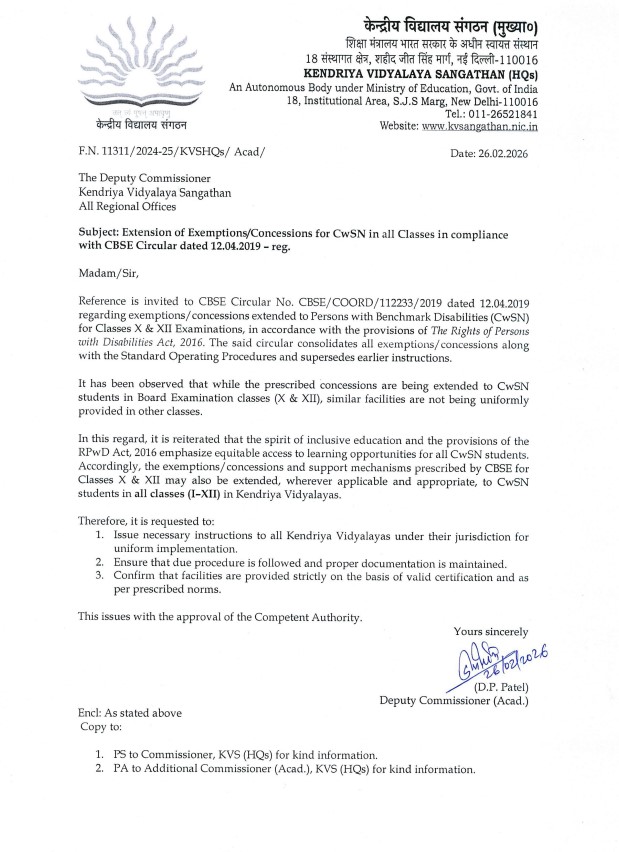
Extension of Exemption/Concessions for CwSN in All Classes in Compliance with CBSE Circular
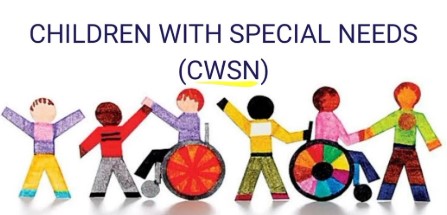
Inclusive education is no longer just an idealistic concept—it is a constitutional responsibility and an educational necessity. When we talk about Children with Special Needs (CwSN), we are referring to students who require specific accommodations due to disabilities, learning difficulties, or medical conditions. The extension of exemption and concessions for CwSN in all classes in compliance with CBSE circulars reflects a strong commitment toward equity, accessibility, and fairness in education. Schools affiliated with the Central Board of Secondary Education are expected to implement these provisions effectively, ensuring that no child is left behind due to physical, sensory, intellectual, or learning challenges.
Understanding CwSN Under CBSE Framework
The term CwSN covers a wide range of disabilities as defined under the Government of India guidelines and the Rights of Persons with Disabilities (RPwD) Act. These may include visual impairment, hearing impairment, locomotor disability, autism spectrum disorder, specific learning disabilities like dyslexia, dyscalculia, ADHD, and other recognized conditions. Under CBSE norms, such students are entitled to specific concessions during academic sessions and examinations.
The idea behind these exemptions is simple: equality does not mean treating everyone the same; it means providing what each learner needs to succeed. If a child struggles to read standard print due to visual impairment, allowing a scribe or extra time is not an advantage—it is a leveling mechanism. The CBSE circular emphasizes that these facilities are not optional privileges but mandatory provisions that schools must ensure.
Why Extension to All Classes Matters
Previously, most concessions were prominently discussed in the context of board examinations for Classes X and XII. However, learning challenges do not suddenly appear in board years—they exist from the early stages of schooling. Extending exemptions and concessions to all classes ensures continuity and consistency in support.
Imagine asking a student with dyslexia to struggle without accommodation until Class IX, and then suddenly providing help in Class X. The academic damage would already be done. By extending these benefits across primary, middle, and secondary levels, CBSE ensures early intervention, smoother academic progression, and reduced anxiety among students and parents.
The circular also directs schools to maintain proper documentation, assessment reports from certified medical authorities, and Individualized Education Plans (IEPs) wherever required. This systematic approach ensures transparency and accountability in implementation.
Key Exemptions and Concessions for CwSN
The CBSE circular outlines several important concessions designed to reduce barriers in academic participation. These include:
Extra time during examinations (usually 20 minutes per hour of exam duration).
Use of a scribe/reader/lab assistant where applicable.
Exemption from third language or substitution with an easier subject.
Flexibility in subject choices, especially in higher classes.
Separate seating arrangements to minimize distractions.
Use of assistive devices such as calculators, computers, or hearing aids where permitted.
These accommodations are not uniform for every disability; rather, they are granted based on documented needs. Schools must verify eligibility carefully while ensuring empathy and fairness.
Role of Schools in Implementing the Circular
Compliance with the CBSE circular is not merely a procedural formality. It requires active planning, teacher training, and infrastructural readiness. Schools must sensitize staff members about inclusive practices and ensure that examination committees are fully aware of the guidelines.
Teachers play a pivotal role here. A well-informed teacher can adapt teaching strategies, provide differentiated worksheets, and allow flexible evaluation methods. Without classroom-level sensitivity, even the best circular remains ineffective. The extension of exemptions to all classes demands that inclusivity becomes part of daily teaching culture rather than a last-minute arrangement during board exams.
Administrative heads must also ensure proper communication with parents. Transparency regarding required medical certificates, deadlines, and available facilities reduces confusion and builds trust between institutions and families.
Documentation and Certification Requirements
To avail of concessions, students must submit valid certificates issued by recognized medical boards or competent authorities. The CBSE mandates that these certificates clearly specify the nature and percentage of disability wherever applicable.
Schools are required to upload or maintain records as per CBSE norms, ensuring compliance during inspections or audits. This structured documentation process prevents misuse while protecting genuine beneficiaries. It also helps track academic progress and ensure that support measures remain consistent year after year.
Impact on Academic Performance and Mental Well-being
Academic stress can be overwhelming for students with disabilities. The fear of underperforming due to structural disadvantages often leads to anxiety and low self-esteem. By extending concessions across all classes, CBSE addresses not just academic fairness but also mental health concerns.
When a child knows that support systems are in place, confidence improves. Instead of focusing on limitations, students can concentrate on learning outcomes. Inclusive evaluation methods help assess true understanding rather than testing physical or neurological limitations.
Parents also experience relief when schools adopt a proactive approach. The partnership between school and family becomes stronger when both sides recognize that the child’s needs are being respected at every academic stage.
Alignment with Inclusive Education Policies
The extension aligns with broader educational reforms emphasizing inclusivity under national education policies. The push toward equitable access, universal design for learning (UDL), and barrier-free environments reinforces the CBSE initiative.
In a diverse country like India, educational equity cannot be achieved without acknowledging varied learner needs. Extending exemptions across all classes ensures systemic reform rather than isolated adjustments. It sends a clear message: inclusion is not a temporary arrangement but a foundational principle.
Challenges in Implementation
Despite clear guidelines, some schools face challenges in implementing concessions effectively. Lack of trained scribes, limited awareness among teachers, and inadequate infrastructure can hinder smooth execution. Rural or semi-urban institutions may struggle more due to limited access to certified professionals for disability assessment.
However, these challenges are not insurmountable. With structured planning, teacher orientation programs, and collaboration with special educators, schools can gradually build inclusive systems. The responsibility lies not just with administrators but with the entire educational community.
Building an Inclusive Academic Culture
True compliance goes beyond following instructions—it involves cultivating empathy. Schools must create environments where CwSN students feel valued rather than singled out. Peer sensitization programs can help classmates understand the purpose of concessions, reducing stigma and misconceptions.
Inclusive assemblies, accessible infrastructure, and flexible teaching practices contribute to a holistic approach. When exemptions are normalized as support tools rather than special favors, students experience dignity and equality.
Conclusion
The extension of exemption and concessions for CwSN in all classes in compliance with CBSE circulars represents a progressive step toward inclusive education. By ensuring accommodations from the foundational years through senior secondary levels, the CBSE strengthens academic equity and emotional well-being for students with special needs. Schools must approach implementation with diligence, empathy, and transparency, recognizing that inclusive education benefits not only CwSN but the entire learning community. A classroom that adapts to diverse learners ultimately becomes richer, more compassionate, and more effective for everyone.
Frequently Asked Questions (FAQs)
1. Who qualifies as a Child with Special Needs (CwSN) under CBSE guidelines?
Students diagnosed with recognized disabilities such as visual impairment, hearing impairment, locomotor disability, autism, ADHD, and specific learning disabilities qualify, subject to valid certification.
2. Are concessions applicable only for board exams?
No, as per the extended circular, concessions apply across all classes to ensure consistent support.
3. Is medical certification mandatory for availing exemptions?
Yes, valid certificates from recognized medical authorities are required to avail concessions.
4. Can a student be exempted from certain subjects?
In specific cases, students may receive exemption from certain subjects like a third language, based on documented needs and CBSE norms.
5. Who ensures implementation of these concessions?
The responsibility lies with CBSE-affiliated schools, their administrators, and examination authorities to ensure proper compliance.
Disclaimer
Kendriya Vidyalaya Sangathan (KVS) follows the guidelines and instructions issued by the Central Board of Secondary Education (CBSE) from time to time. While every effort has been made to ensure accuracy, readers are advised to refer to the latest official circulars, notifications, and directives issued by CBSE and KVS for updated and authoritative information.
KVS shall not be held responsible for any interpretation or action taken based solely on the contents of this article. For specific cases, parents, students, and stakeholders are encouraged to contact the concerned Kendriya Vidyalaya or refer to official communications.
For more information and updates please follow the page and don’t forget to leave your comment.